Blog
-
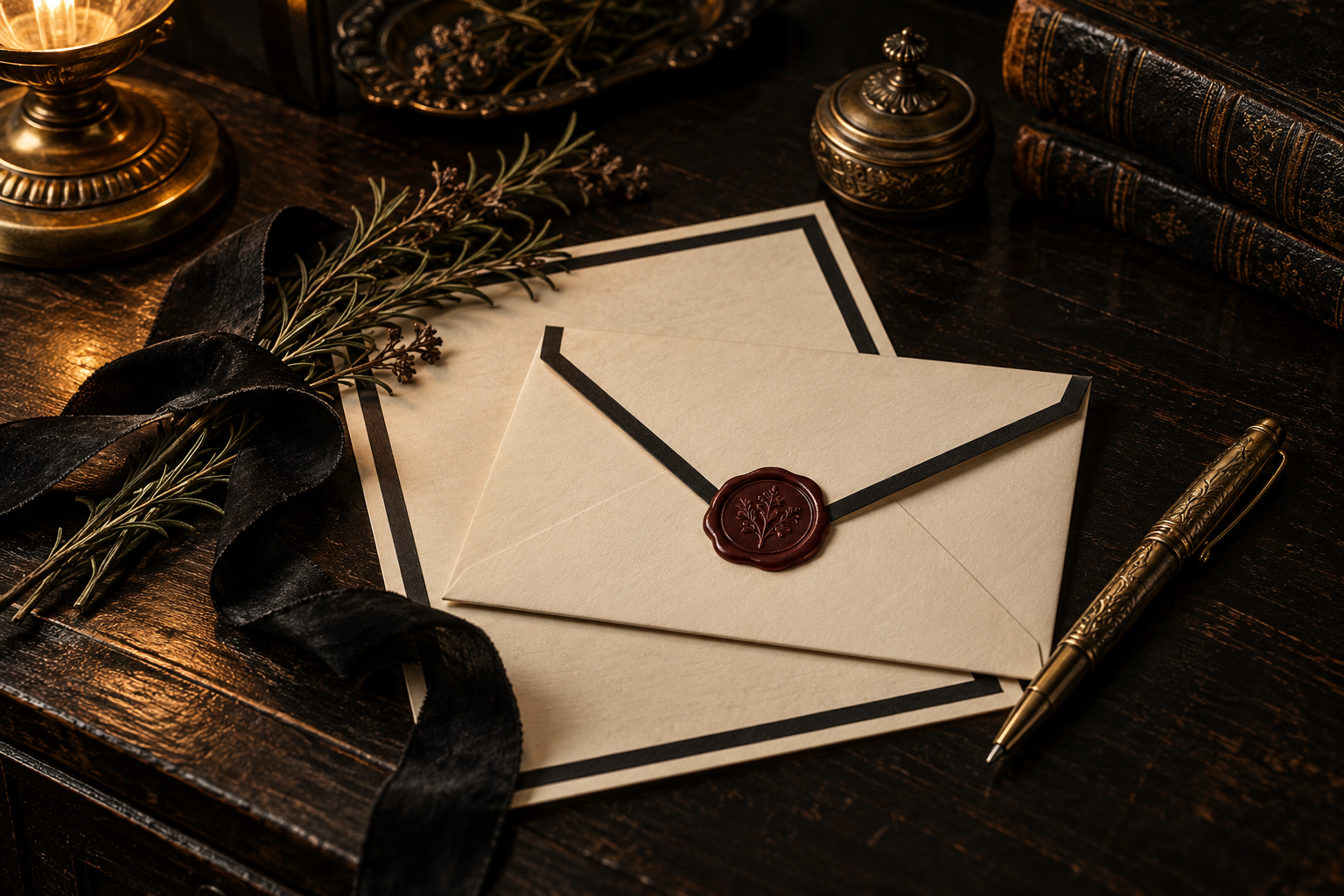
The Language of Black Borders: A Short History of Mourning Stationery
Before a mourner opened a Victorian letter, the envelope had already delivered part of the message. A black border meant death had entered the household. The paper did not explain, soften, or console. It simply arrived dressed for the occasion. The custom was widespread enough that the National Postal Museum holds dozens of black-edged covers…
-
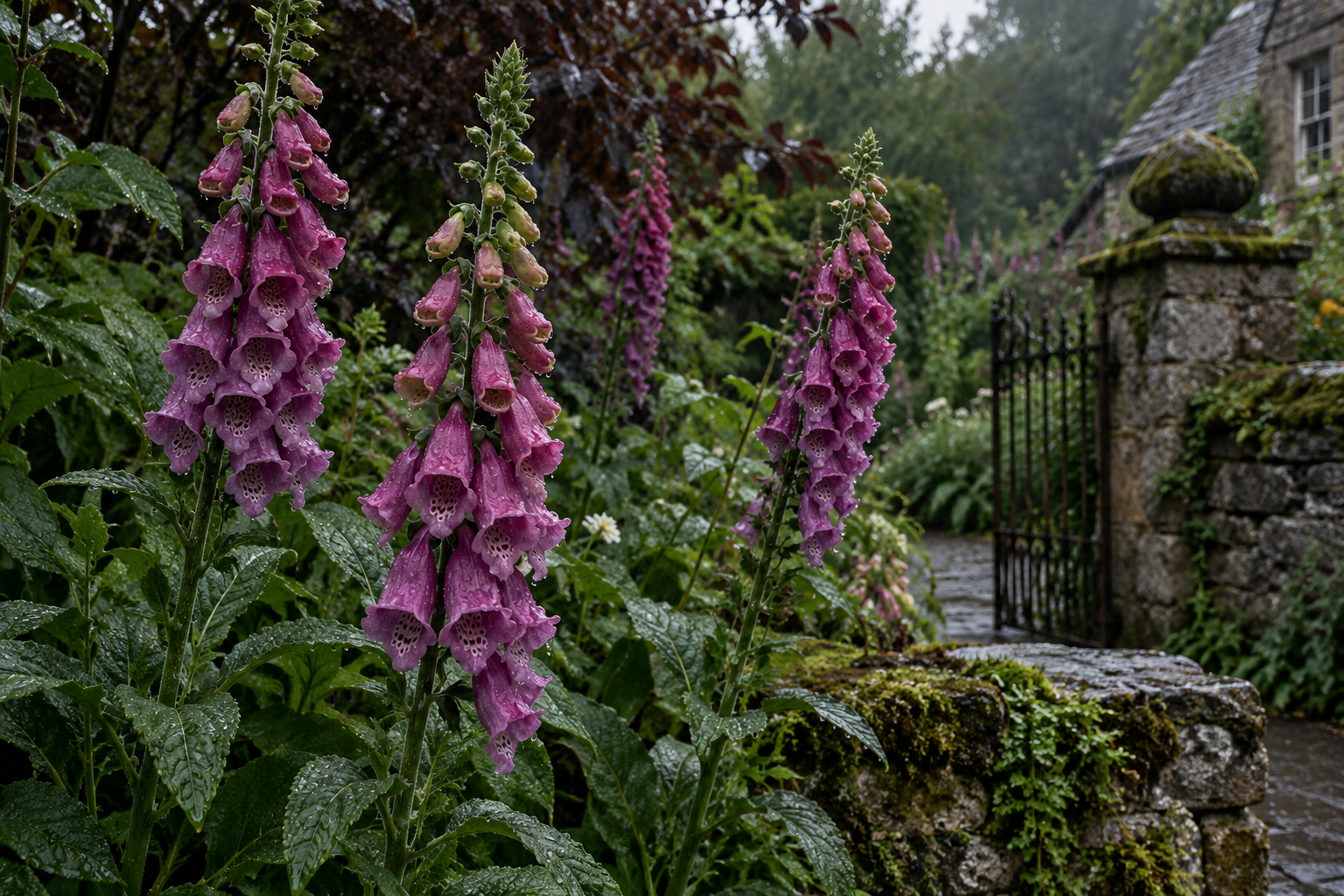
Foxglove: Beautiful, Historic, and Entirely Uninterested in Your Good Intentions
Foxglove does not need help becoming dramatic. It raises a tower of spotted bells above the garden, feeds bumblebees, scatters seed with confidence, and carries chemicals capable of altering a human heartbeat. Beautiful, historic, and entirely uninterested in your good intentions. A woodland plant with a theatrical streak Common foxglove, Digitalis purpurea, is native to…
-

Why Old Books Smell the Way They Do
Old books do not smell like one thing. They smell like paper, cloth, leather, glue, ink, dust, storage, and slow chemical change. A paperback from 1974 and a rag-paper volume from 1740 may both smell “old,” but they are not releasing the same mixture into the air. The smell is a cloud of molecules Paper…
-
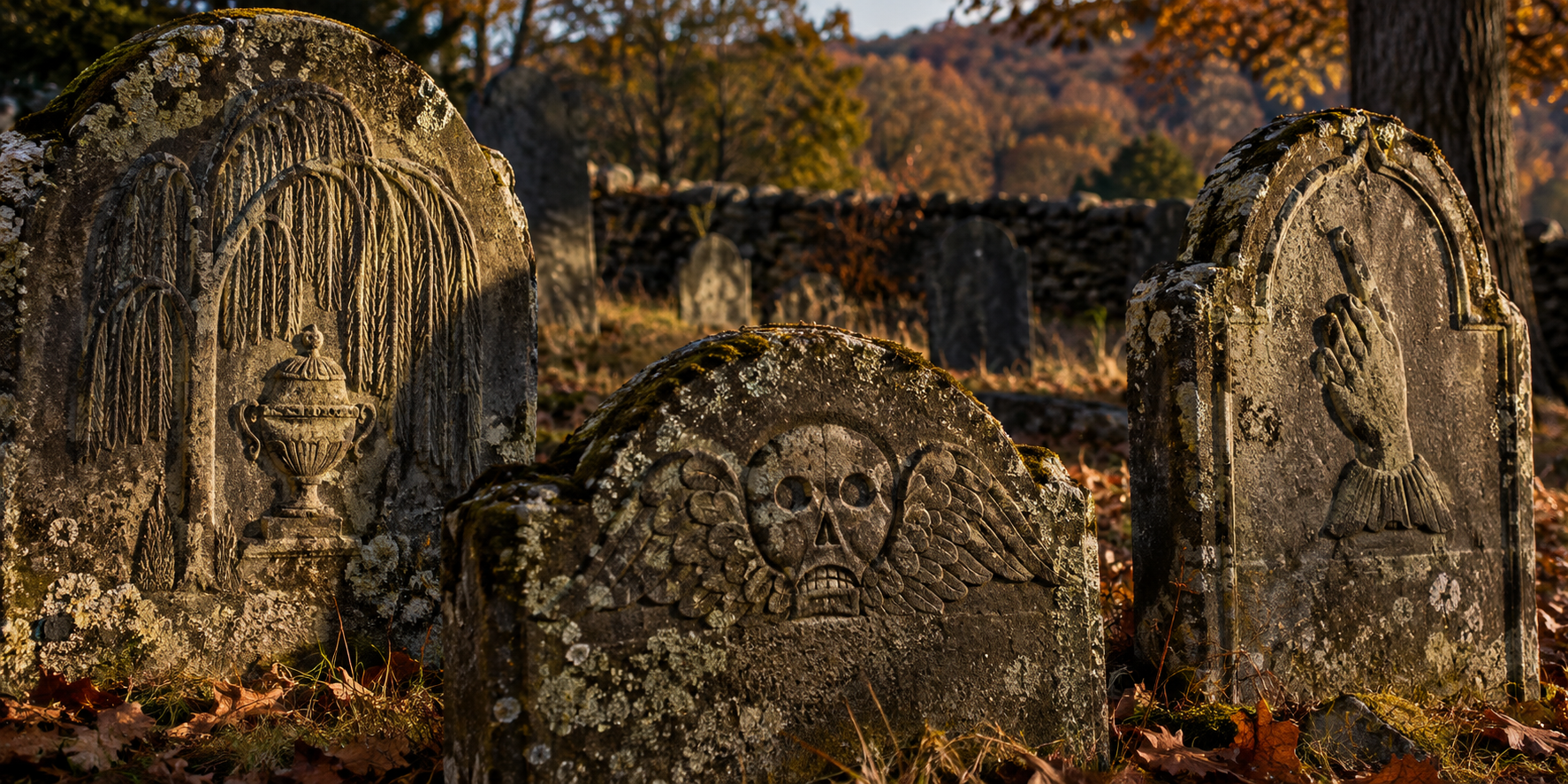
Skulls, Willows, and Pointing Hands: A Field Guide to Gravestone Symbols
Old gravestones speak in pictures, but they do not carry a universal codebook. A willow can suggest mourning. An urn can recall classical ideas of death. A hand may point toward heaven, indicate a farewell, or belong to a fraternal emblem. Meaning depends on place, date, faith, carver, and the rest of the stone. So…
-
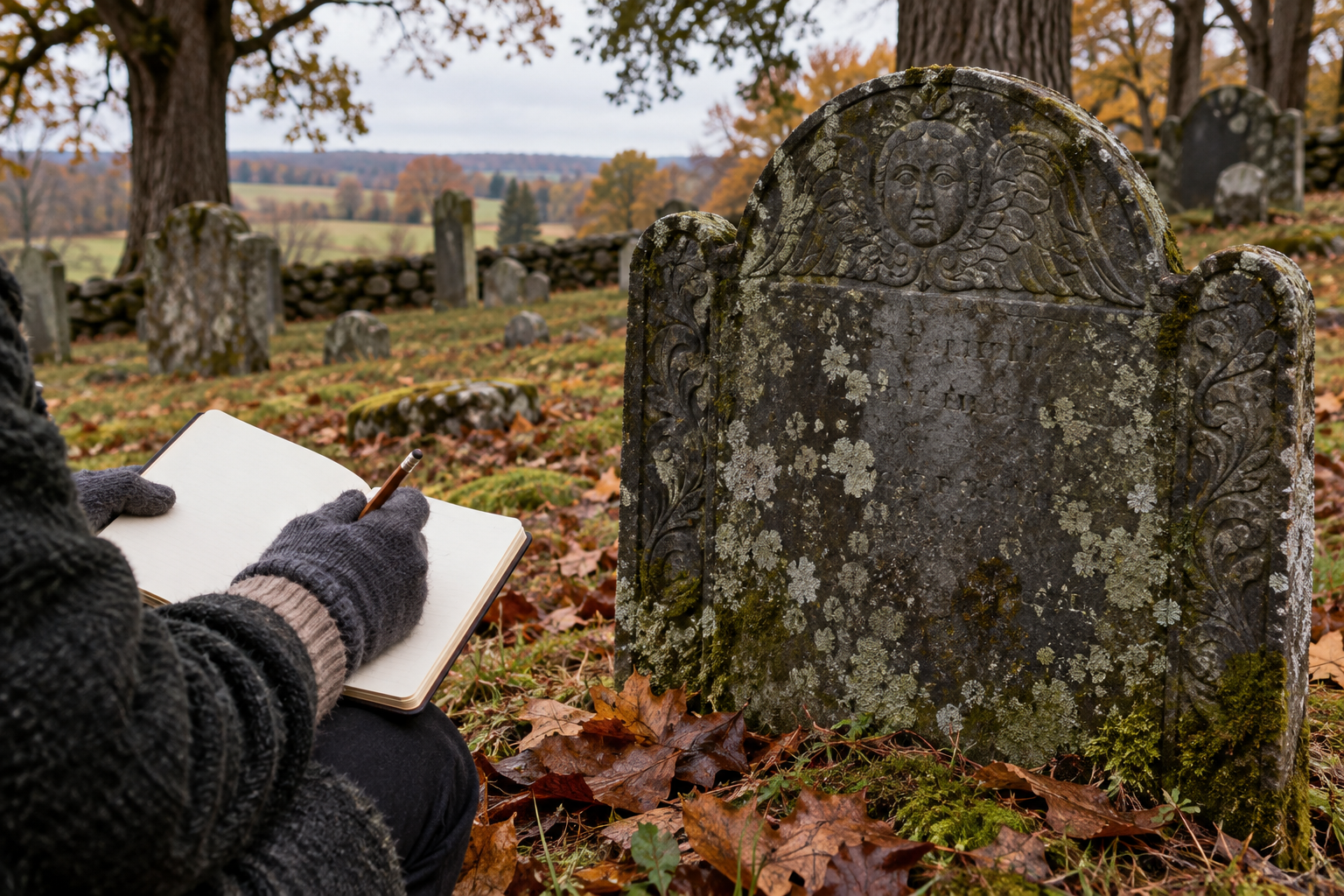
How to Document a Cemetery Visit Without Damaging the Stones
A cemetery visit can produce a useful record without producing a single scraped stone, snapped branch, or indignant groundskeeper. The method is simple: ask, photograph, write, and leave everything where it is. Historic markers are not blank slates waiting for a home remedy. Stone can flake, sugar, crack, tilt, and separate in ways that are…
-
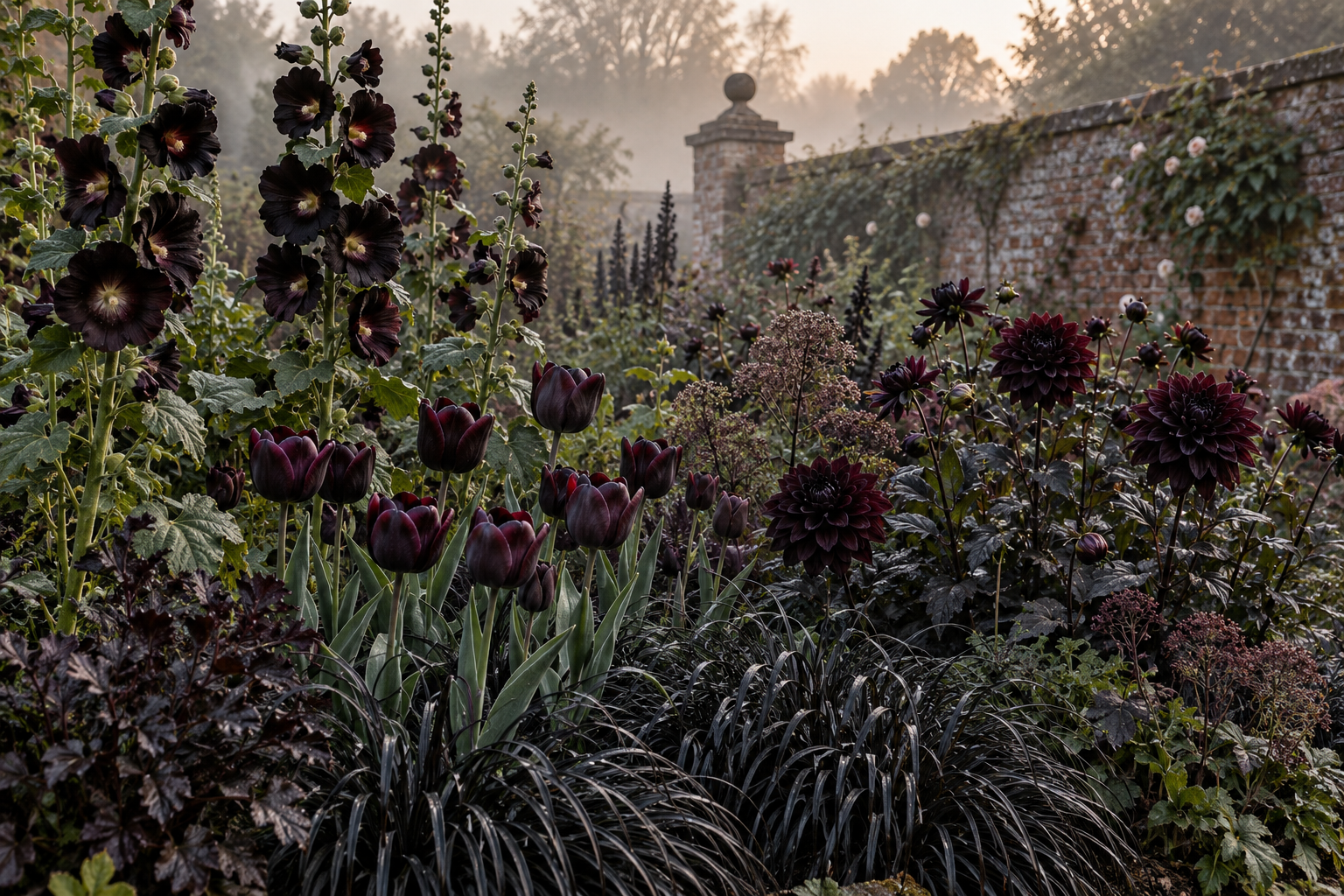
A Black Garden Is Mostly Purple: 10 Nearly Black Flowers to Grow
There are almost no truly black flowers. The garden cheats with pigment, shadow, and distance. What looks black from the path usually opens into wine, aubergine, chocolate, or a purple so deep it has stopped explaining itself. That is good news. A bed made of flat black shapes would be lifeless. A dark garden works…
-

Do Crows Remember Faces? What the Research Actually Says
Yes, crows can recognize human faces. Here is what researchers learned about crow memory, social learning, and the difference between evidence and a good grudge story.